
Coaching, Focus, Health, Mental Toughness, Mindset, Players, Tennis Training
The Fall of Stefanos Tsitsipas: Can He Save His Career?
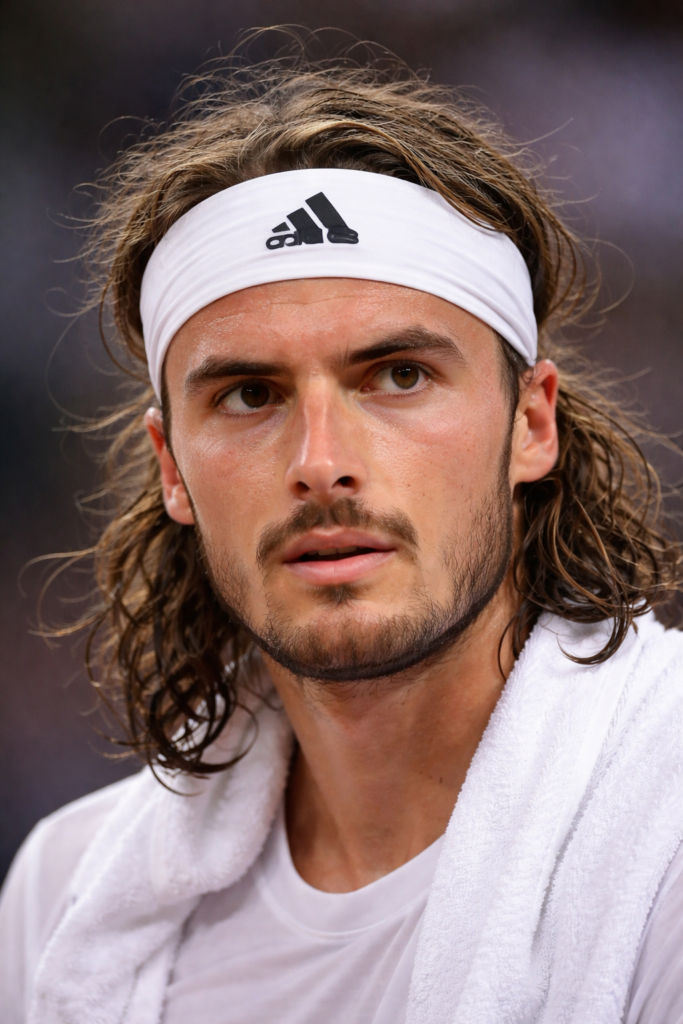
The Fall of Stefanos Tsitsipas: Can He Save His Career?
There was a time when Stefanos Tsitsipas looked like the future of men’s tennis.
With his flowing one-handed backhand, aggressive all-court style, and charismatic personality, Tsitsipas seemed destined to become one of the dominant stars of the post-Big Three era. He reached the final of the French Open in 2021 and nearly defeated Novak Djokovic before losing in five sets. He later reached another Grand Slam final at the Australian Open.
At his peak, Tsitsipas climbed as high as world No. 3 and looked like a player who could win multiple Grand Slam titles.
Now, just a few years later, the Greek star finds himself fighting simply to stay relevant.
A Stunning Rankings Collapse
After another early-round loss in Munich, Tsitsipas is projected to fall into the 70s in the ATP rankings, his lowest position in roughly eight years. He is now outside the top 60 and may soon drop even further if results do not improve.
The ranking collapse is especially shocking because Tsitsipas was once considered one of the most consistent players on tour. He regularly reached semifinals, finals, and deep runs at major tournaments. He was expected to be one of the players who would take over the sport after Djokovic, Nadal, and Federer.
Instead, he now enters many tournaments at risk of facing top players like Jannik Sinner or Carlos Alcaraz in the opening rounds.
What Went Wrong?
There is no single reason for Tsitsipas’ decline. It appears to be a combination of injuries, confidence issues, coaching instability, and the changing nature of the ATP Tour.
Back Injuries
The biggest issue may be his persistent back problem.
Tsitsipas has admitted that his back injury became so severe in 2025 that there were times he could barely walk for two days. The injury ruined much of his 2025 season and forced him to miss tournaments, retire from matches, and struggle with consistency.
When Tsitsipas is healthy, he still has the weapons to compete with almost anyone. But when he is limited physically, his explosive forehand, movement, and serve all become less dangerous.
Loss of Confidence
Tennis is as much mental as physical, and Tsitsipas no longer looks like the confident player who once believed he could beat anyone.
His body language has become more negative. He appears frustrated more easily, and he has struggled to recover from tough losses. Critics have pointed to his poor movement, indecisive shot selection, and emotional reactions during matches. Some observers say he looks like a player who no longer fully trusts his game.
Coaching and Family Drama
One of the most controversial aspects of Tsitsipas’ career has been his coaching situation.
His father, Apostolos Tsitsipas, played a major role in his rise, but their relationship has also created tension and distractions over the years. Tsitsipas fired his father as coach, briefly worked with Goran Ivanisevic, and then later reunited with his father again.
Ivanisevic publicly criticized Tsitsipas last year, saying he had never seen a more unprepared player. Those comments created even more questions about Tsitsipas’ professionalism, preparation, and commitment.
For a player already battling injuries and confidence issues, constant coaching changes can make things even worse.
The ATP Tour Has Changed
Another reason for Tsitsipas’ decline is that the ATP Tour has become far more competitive.
The rise of players like Jannik Sinner, Carlos Alcaraz, Holger Rune, Ben Shelton, and Arthur Fils means there are fewer easy matches than ever before.
Tsitsipas once had a clear advantage with his athleticism, forehand, and ability to dominate rallies. But the newer generation is faster, more versatile, and more comfortable on all surfaces.
His one-handed backhand, once viewed as beautiful and unique, is increasingly targeted by opponents with heavy topspin and pace.
Can He Save His Career?
The answer is yes — but it will not be easy.
Tsitsipas is still only 27 years old. He still has elite talent, experience, and enough time to rebuild. He has already said he may need to play smaller ATP 250 tournaments to regain rhythm, confidence, and match fitness before bigger events like Roland Garros.
He may need to simplify his game, improve his physical conditioning, commit to one coaching direction, and avoid the distractions that have followed him in recent years.
Most importantly, he needs to stay healthy.
If his back injury improves and he regains belief in himself, there is no reason he cannot return to the top 20 or even make another deep run at a Grand Slam.
But if the injuries continue and the losses pile up, Tsitsipas could become one of the most surprising “what if” stories in modern tennis.
Why Fans Still Believe
Despite all the setbacks, many tennis fans still believe Tsitsipas can make a comeback.
He remains one of the most talented and entertaining players on tour. He has already proven that he can beat the best players in the world when he is healthy and confident.
Sometimes careers in tennis are not a straight line. Players go through slumps, injuries, and personal struggles before finding their best form again.
The next few months could determine whether Tsitsipas begins a comeback story — or whether his decline becomes one of the biggest cautionary tales in modern tennis.